Morning in the Home Garden
As his children grow up in the landscape where he was raised, Indrajit Khambe finds himself returning to an earlier self — one formed by solitude, nature, and a childhood that was never photographed.
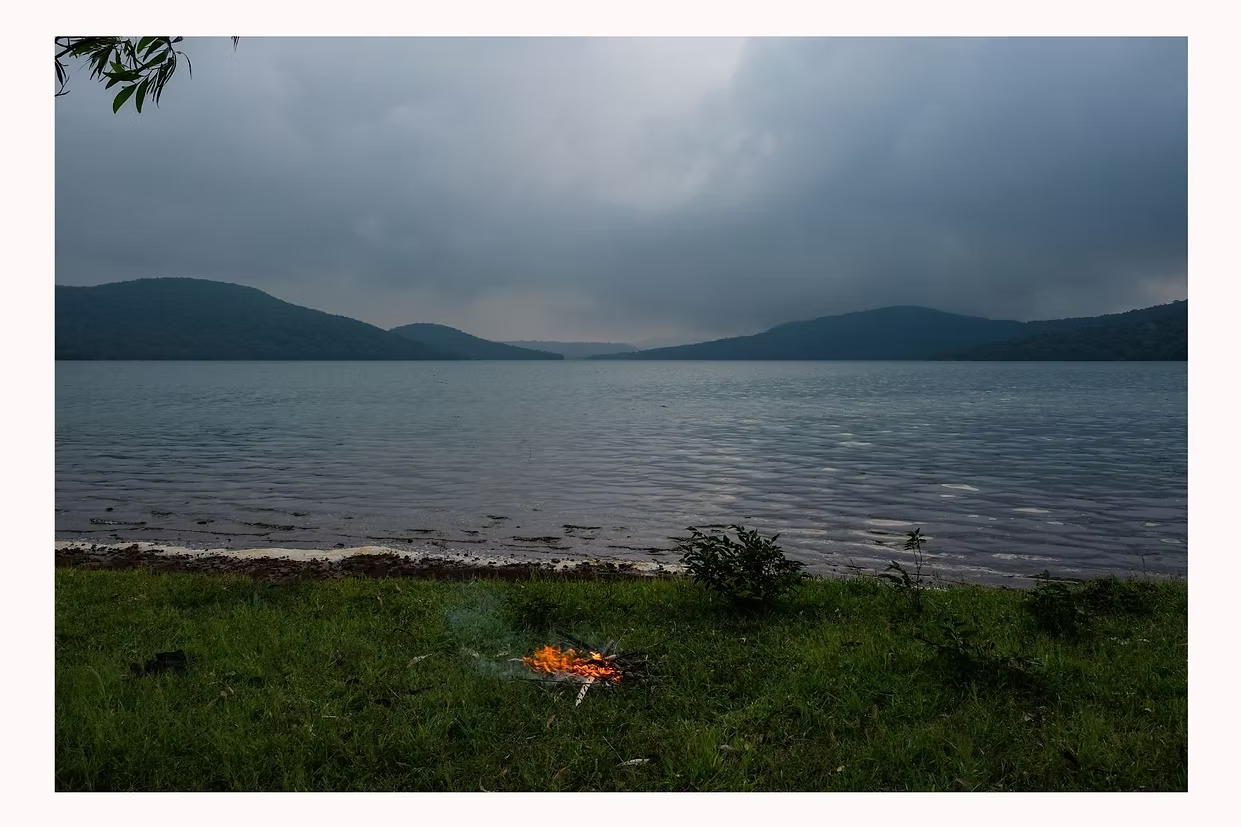
I grew up in Sindhudurg without being photographed. There are no pictures of me in the river, no pictures of me in the trees, no record of what my hands looked like at eight years old. That childhood exists only in my body — in the way I still know which rocks to stand on, which water to trust. When my children came, I picked up a camera. Not to make art at first. Just to keep what I knew I would otherwise lose.
Watching them move through this familiar world, I encounter my own childhood again — not as something distant or complete, but as a living presence carried forward through place, gesture, and daily life.
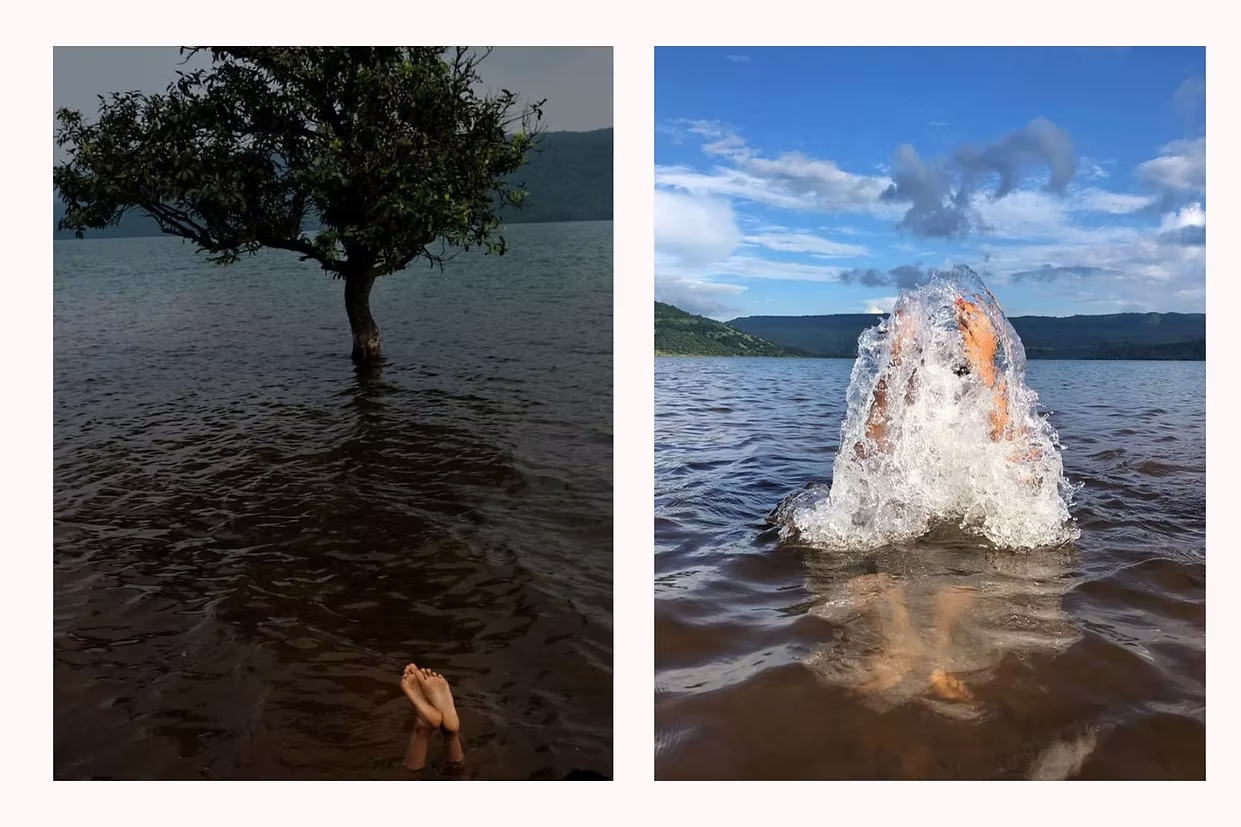
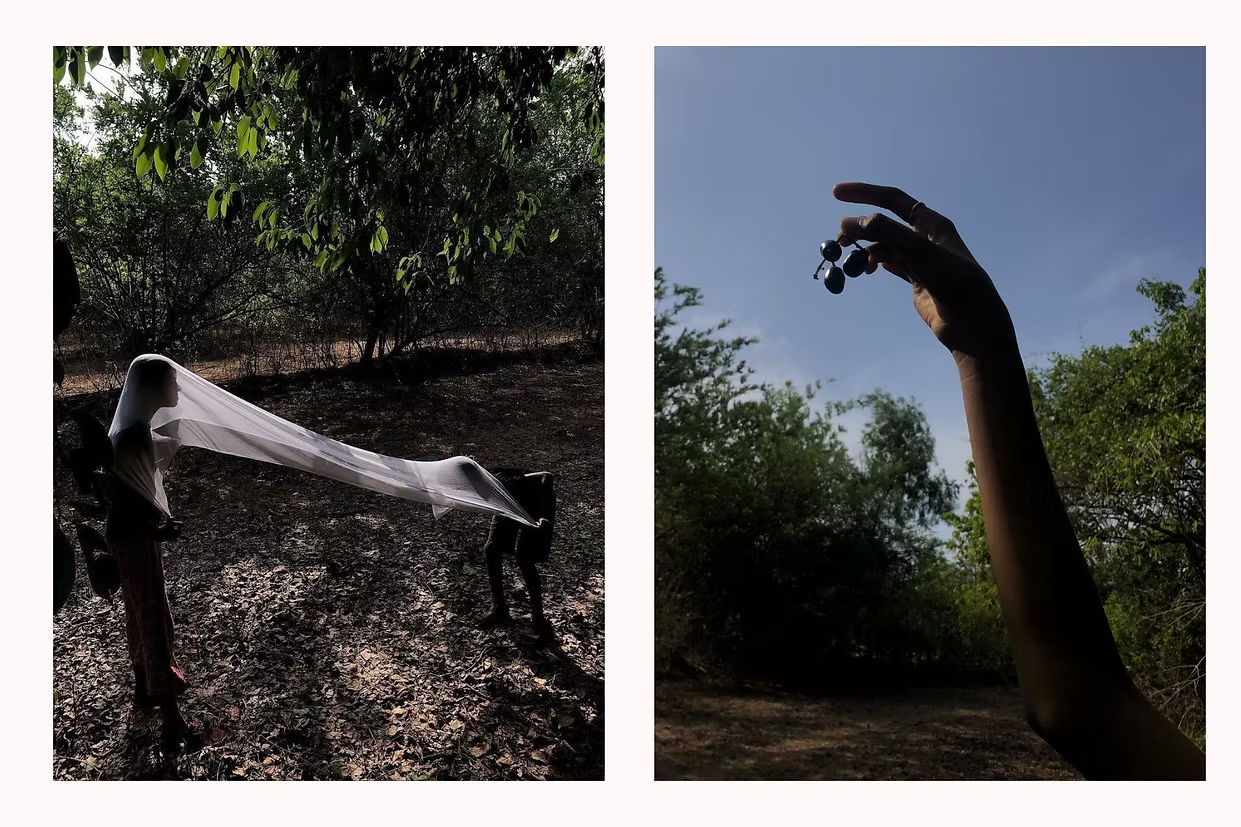
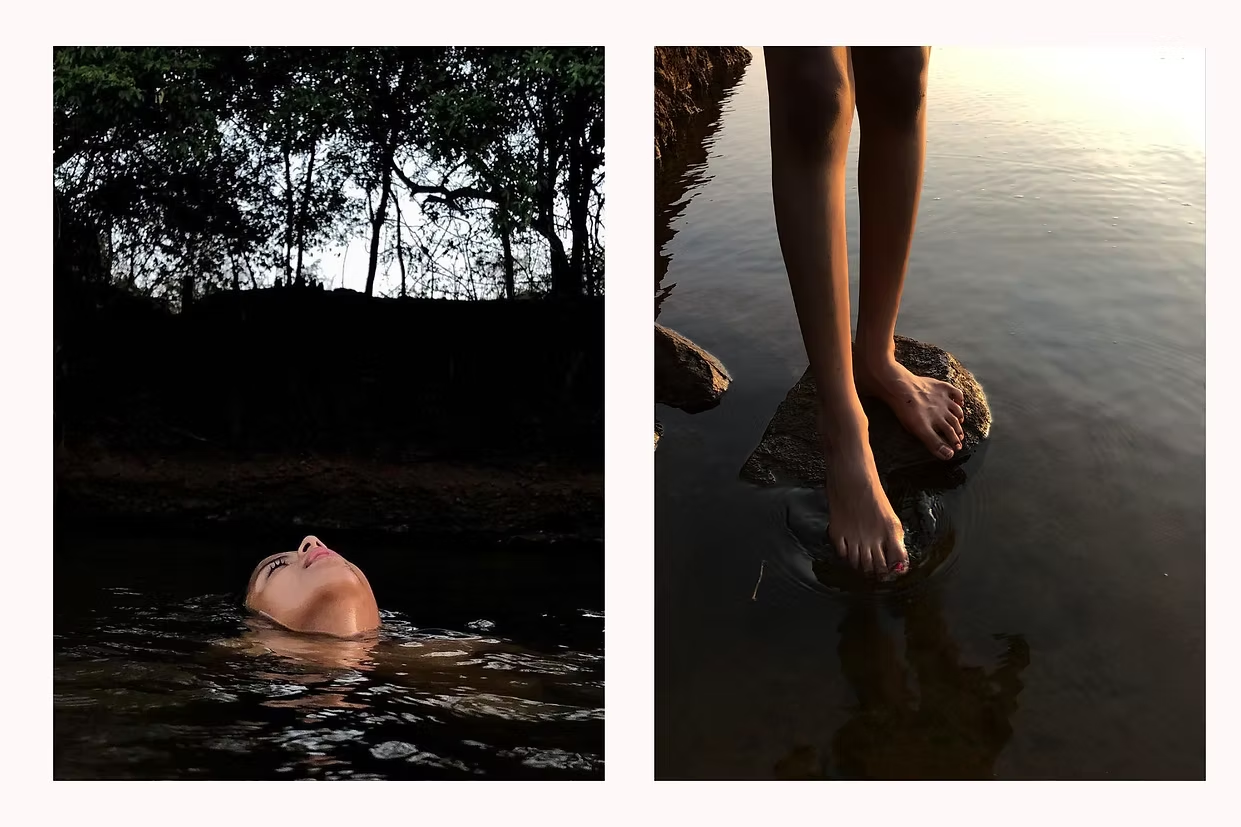
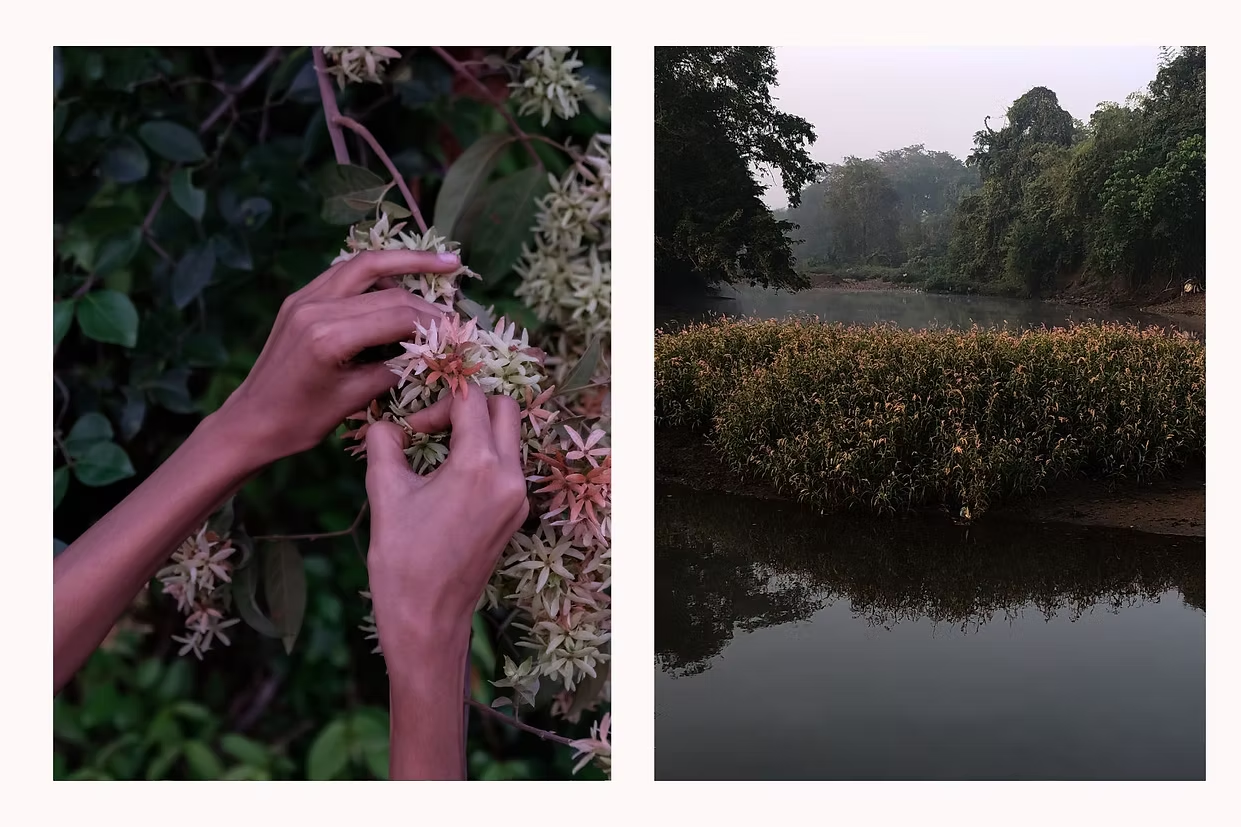
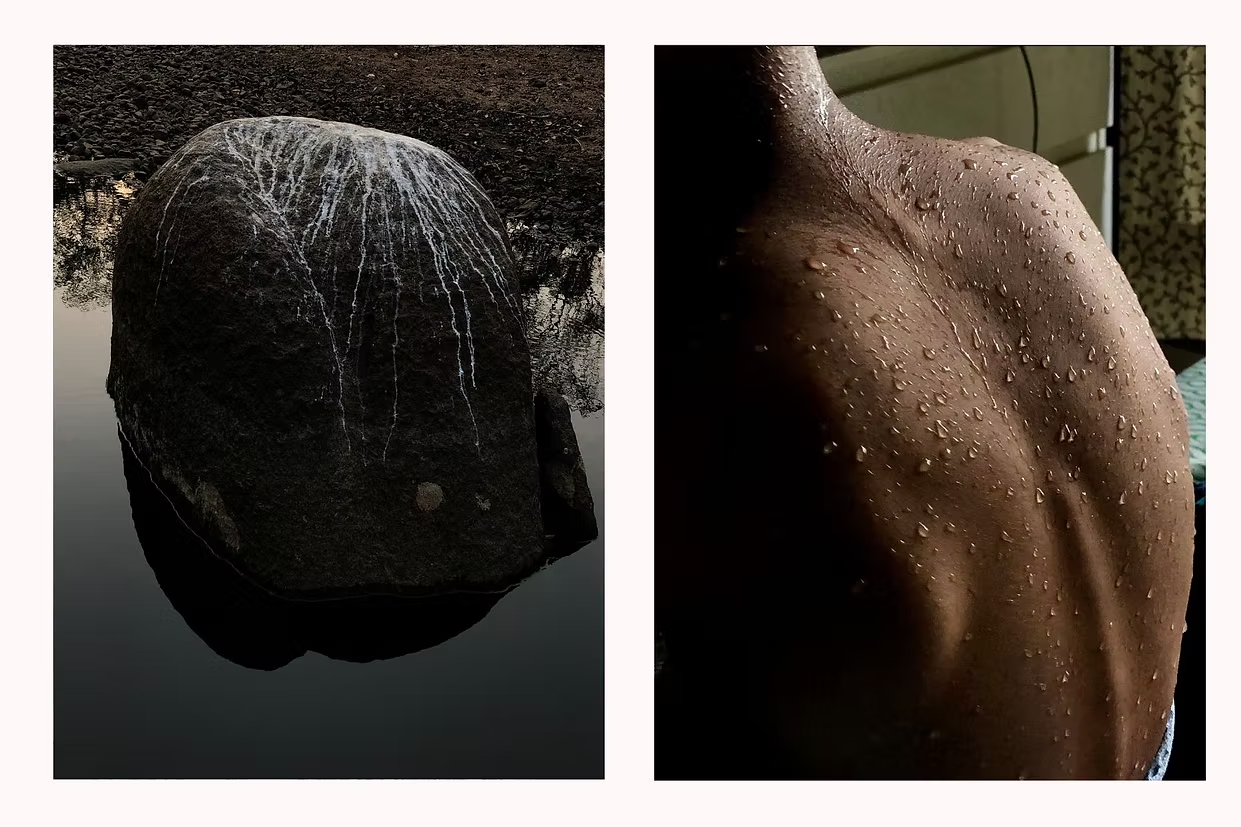
This landscape has a particular grammar that the body learns before the mind does. The way to enter a river — not fighting the current but reading it. Which stones hold and which give way underfoot. The weight of the air before the monsoon arrives. The specific quality of light through mango trees in the early morning. My children are learning this grammar now, the same way I did — through touch, through immersion, through the accumulated hours of being here. I watch them and recognize the lesson without being able to name it.
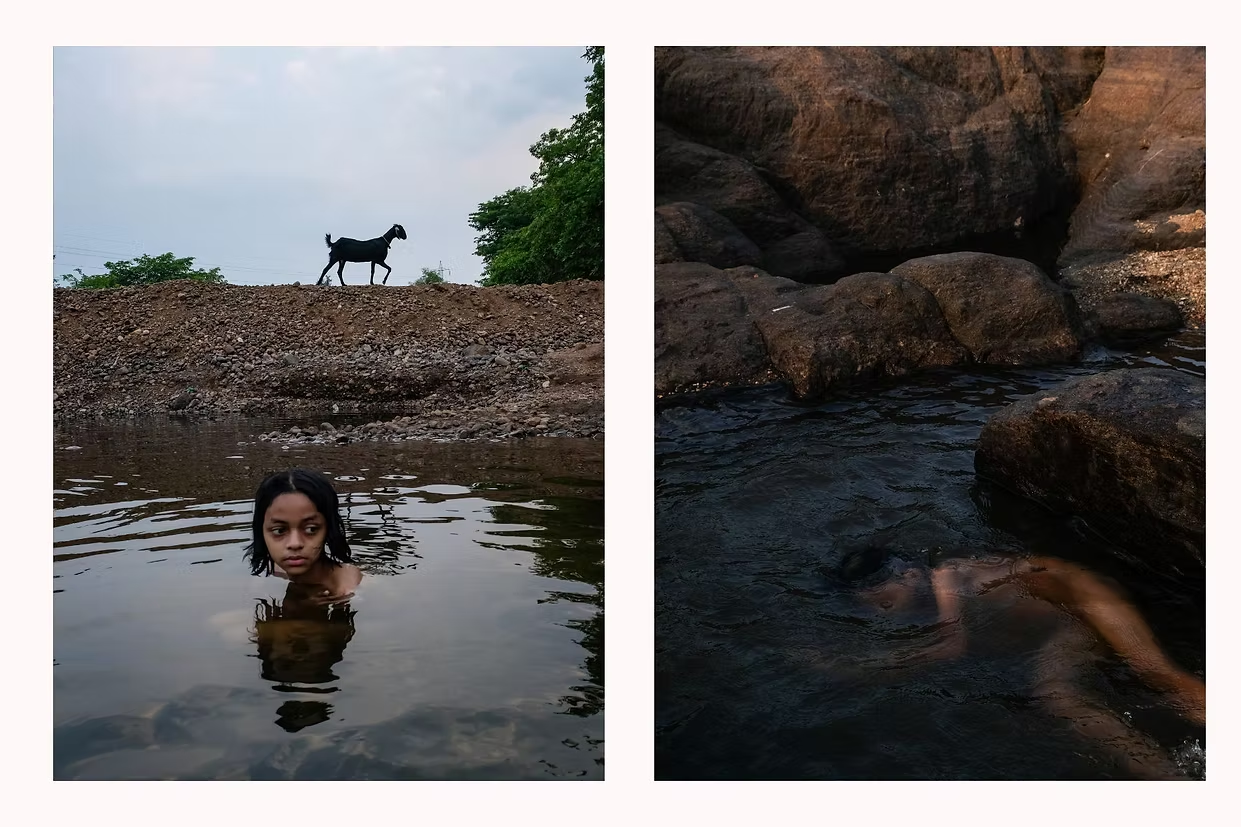
Because no photographs remain from my own early years, these pictures hold a particular weight. They preserve not only my children's fleeting seasons of wonder and freedom, but also a past I can revisit only through memory. In photographing them, I am doing something I cannot fully explain — recovering a childhood through the childhoods of others, finding my own vanished self in the way my daughter's hands reach toward a flower, in the way my son surfaces from dark water, gasping and laughing at once.
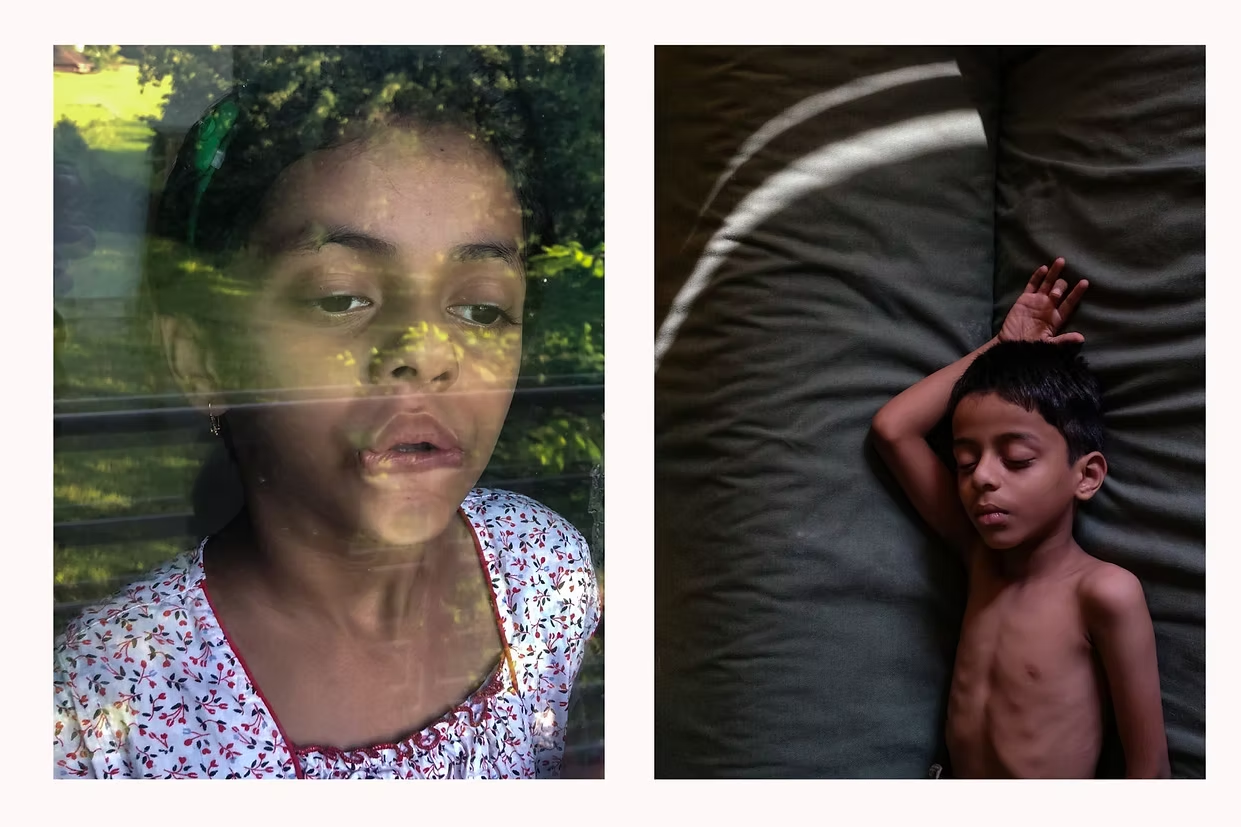
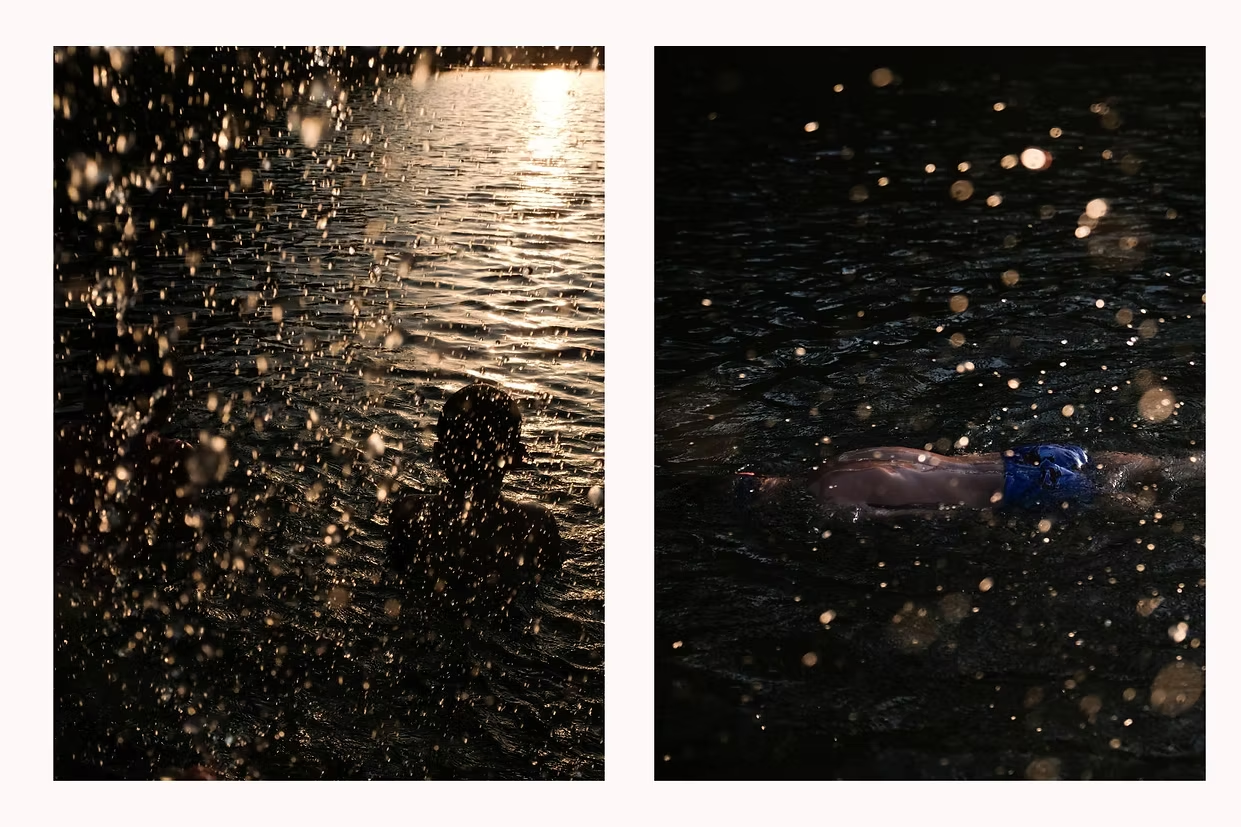

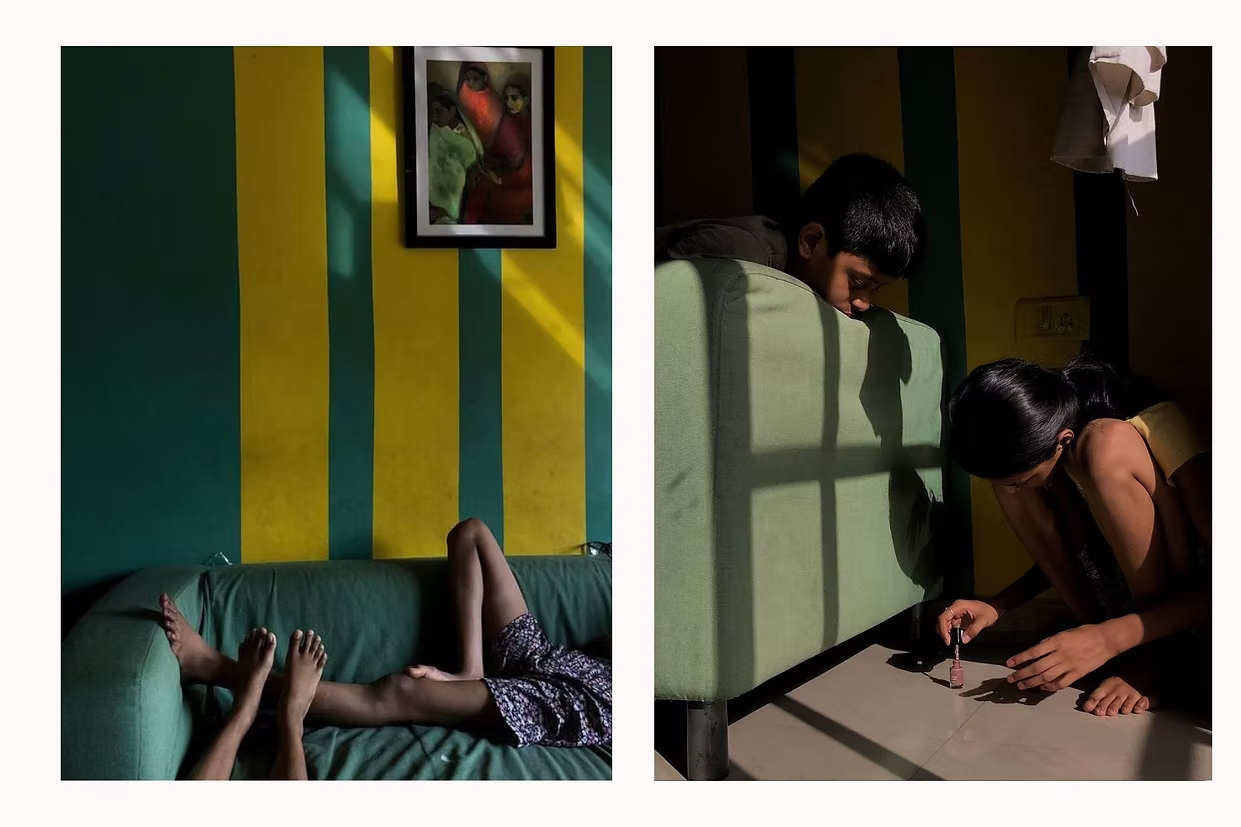
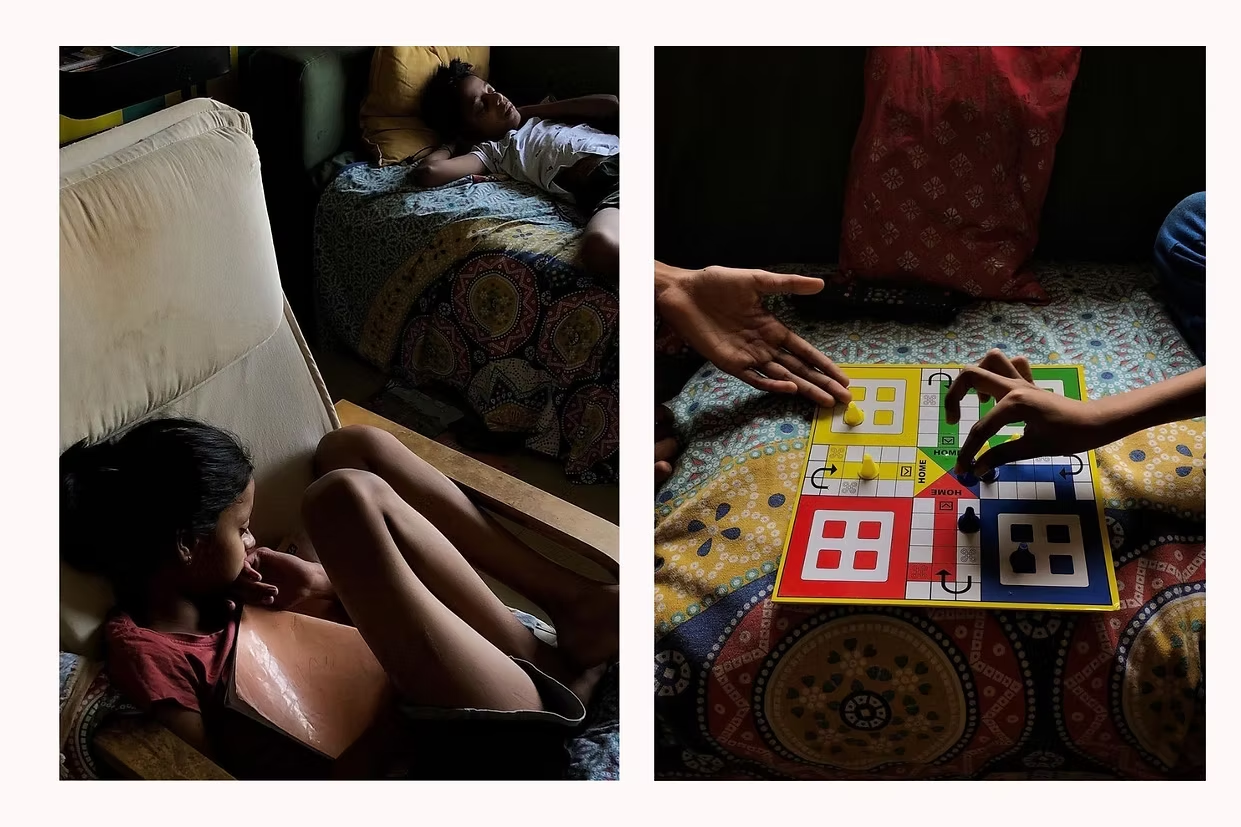
Not everything happens at the water. The mornings begin slowly — bodies stretched across sofas, games unfinished from the night before, the house still holding the dark. I photograph these too. The stillness before the day opens. The ordinary inside that makes the extraordinary outside feel like home.
Leave a reflection
What stayed with you after reading? We welcome thoughtful, respectful responses.
Write to us at: editor@betweenstill.com