Spina Americana Unseen
Over several years, New York-based photographer Richard Sharum drove thousands of miles through the interior of the United States — through Texas, Kansas, Nebraska, and the Dakotas — not to document a thesis but to practice something he calls immersive empathy: the belief that sustained, respectful proximity to unfamiliar lives dissolves the divisions we convince ourselves are permanent. He talked to strangers, stayed in their homes, broke bread at their tables, and followed wherever one encounter led.
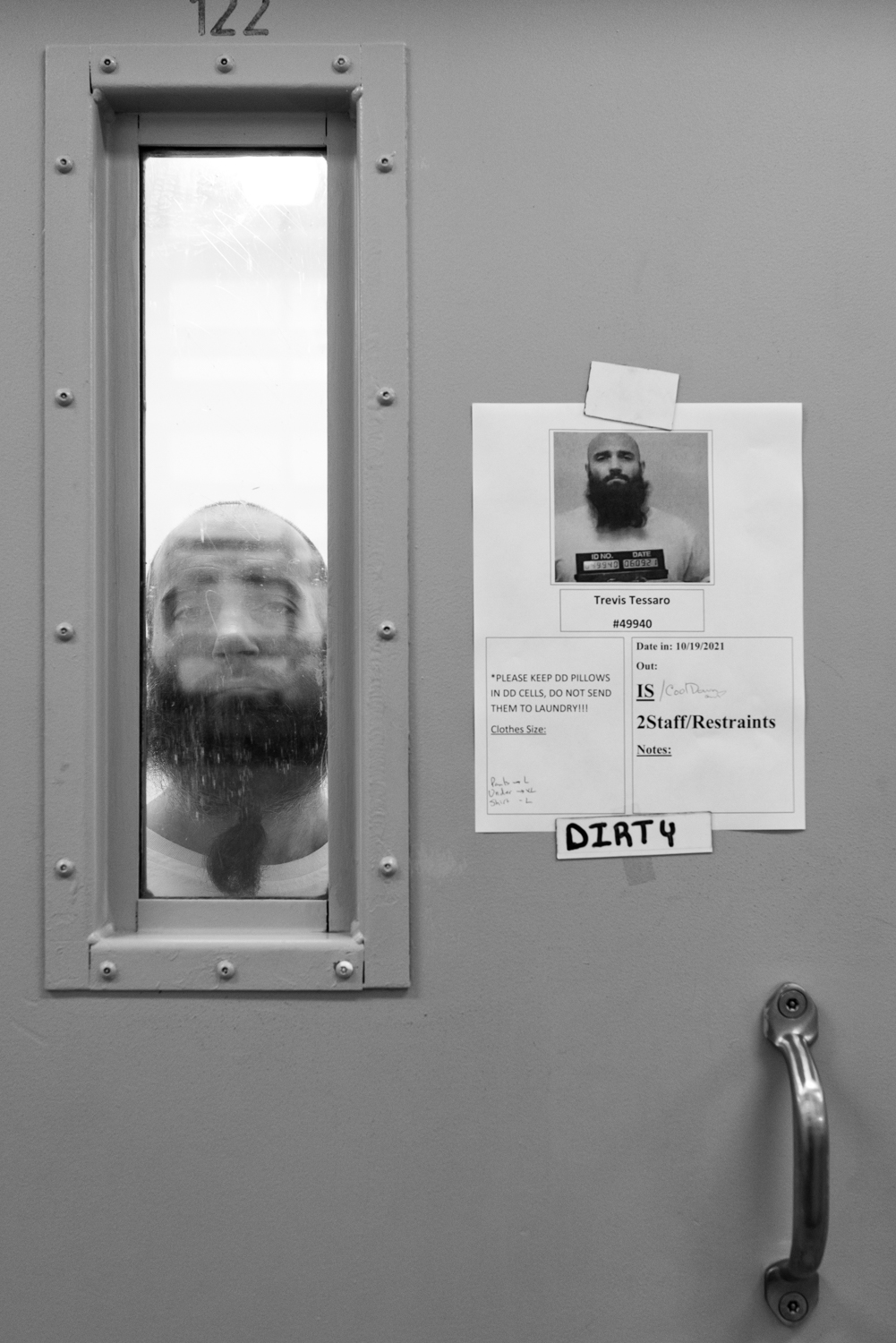
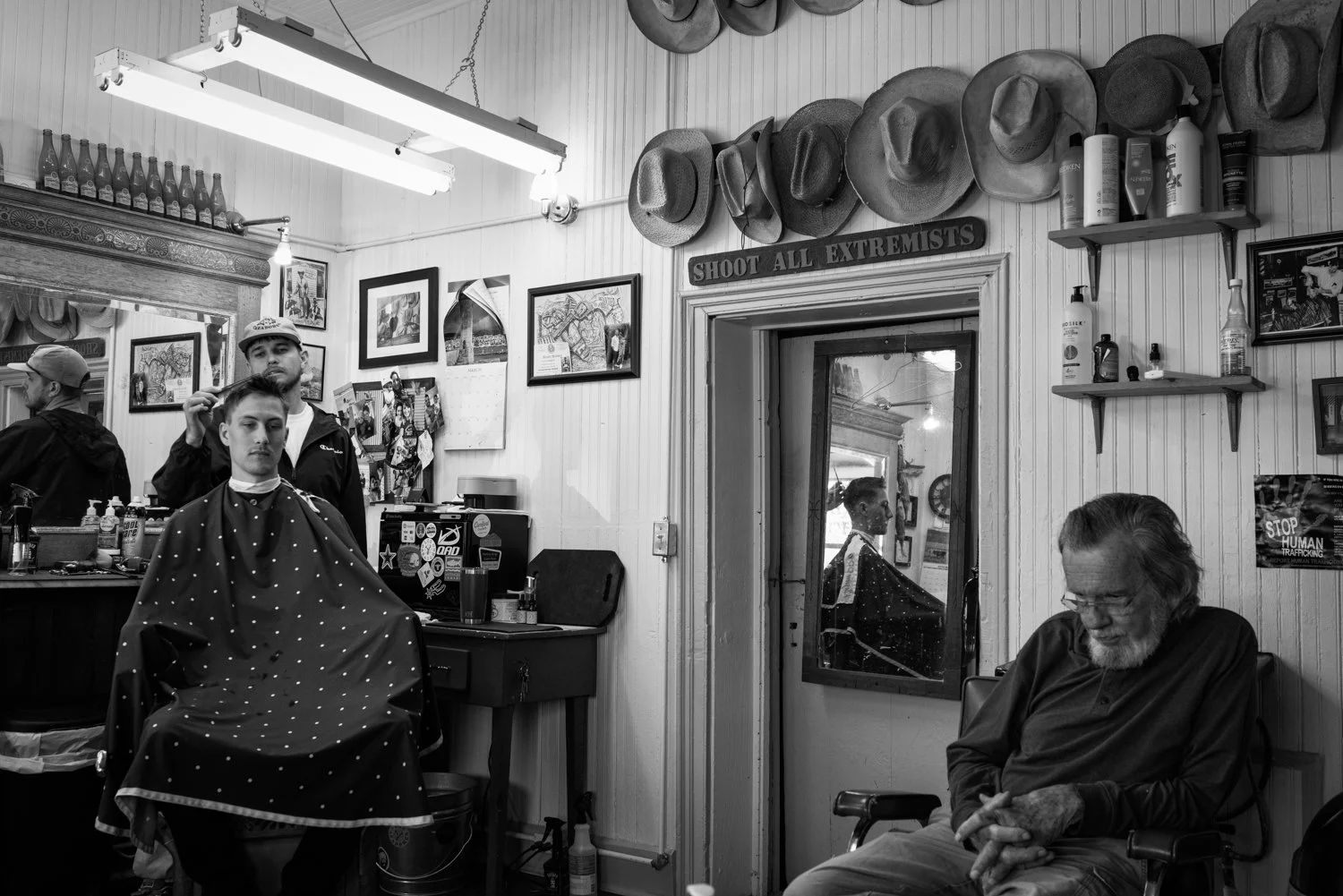
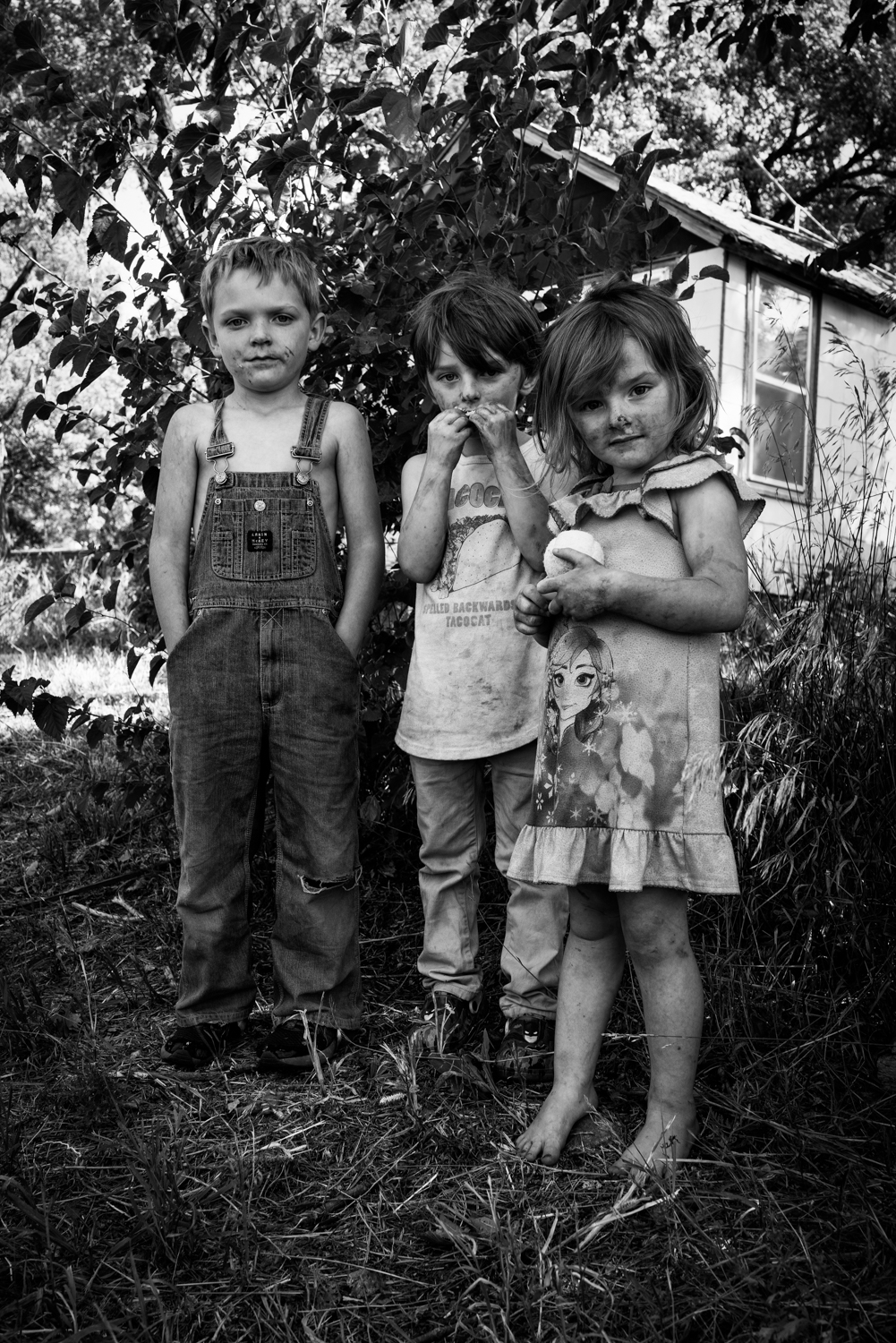
The result became Spina Americana, published in 2024 — one of the most discussed documentary photography books of recent years. Every image in this essay is one that didn't make that book. What follows is not an outtake. It is the other side of the same journey.
Before he raises the camera, Richard Sharum raises something else: the reason he is there. He tells people what he is doing. He tells them why he picked them. He tells them that even though they move through their ordinary days doing their ordinary things, they are part of something larger than themselves — and that he wants people to see them as they are.
He calls it immersive empathy. The belief that proximity to unfamiliar lives is not a technique but a practice. That if you put yourself genuinely close to people you assume you have nothing in common with, the divisions that seemed permanent reveal themselves as made up — only this deep.
He drove thousands of miles across the interior of the country to test this. Through Texas, Nebraska, Kansas, the Dakotas. Everything arrived as it came.
When he photographs, his camera tilts slightly upward. He wants his subjects seen as larger than themselves.
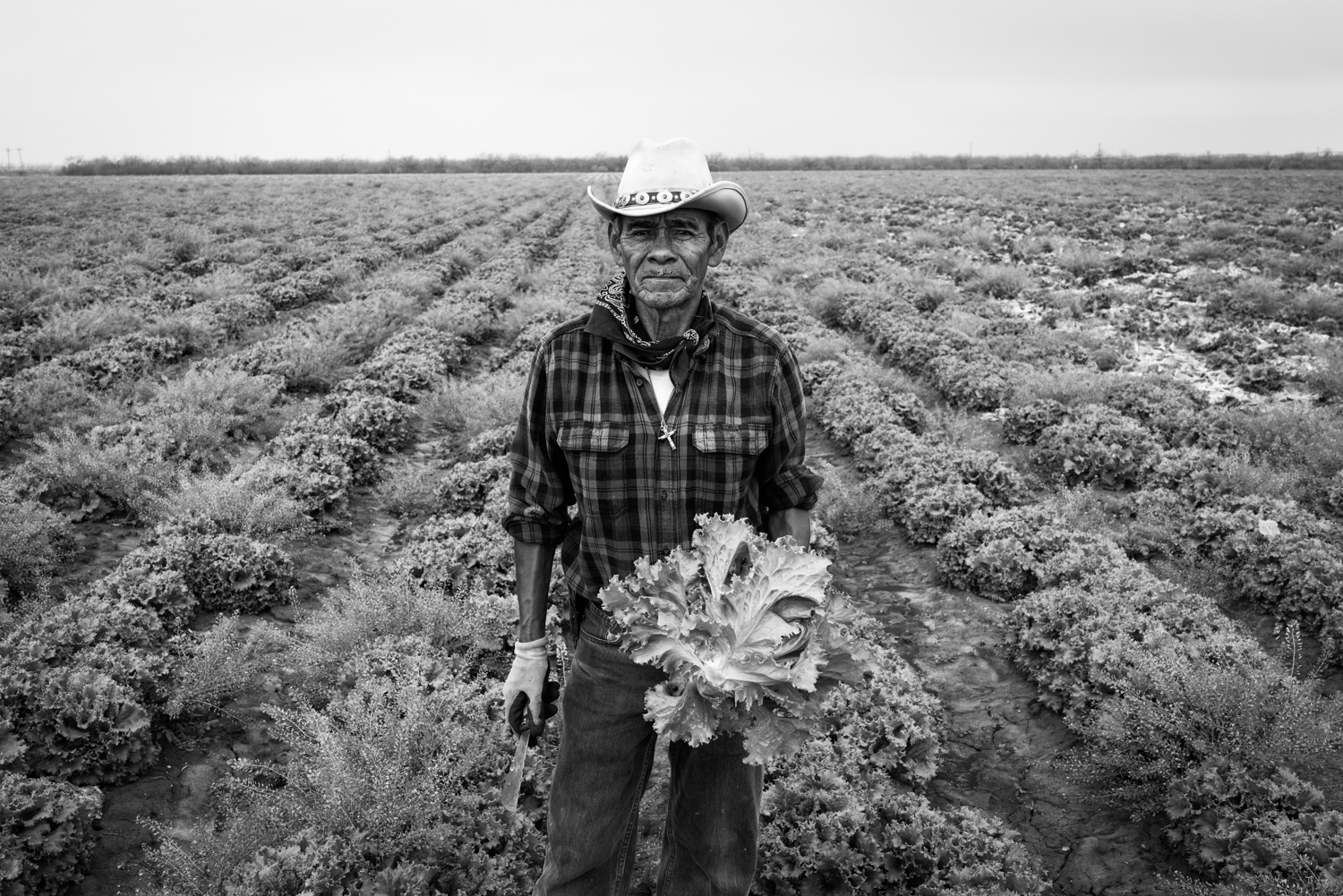
Near the border, a migrant laborer in his late sixties was working a field he had arrived at before sunrise, riding four hours in a van to get there. He started to set down the cabbage he had just cut, and his pruning knife, when Richard approached. Richard stopped him. This is part of who you are. I want people to see you as you are. The man stood straight. He had a bandana, a cross at his neck, a cool hat. He was stylish. He was proud — not because someone had made him feel important, but because someone had seen that he already was.
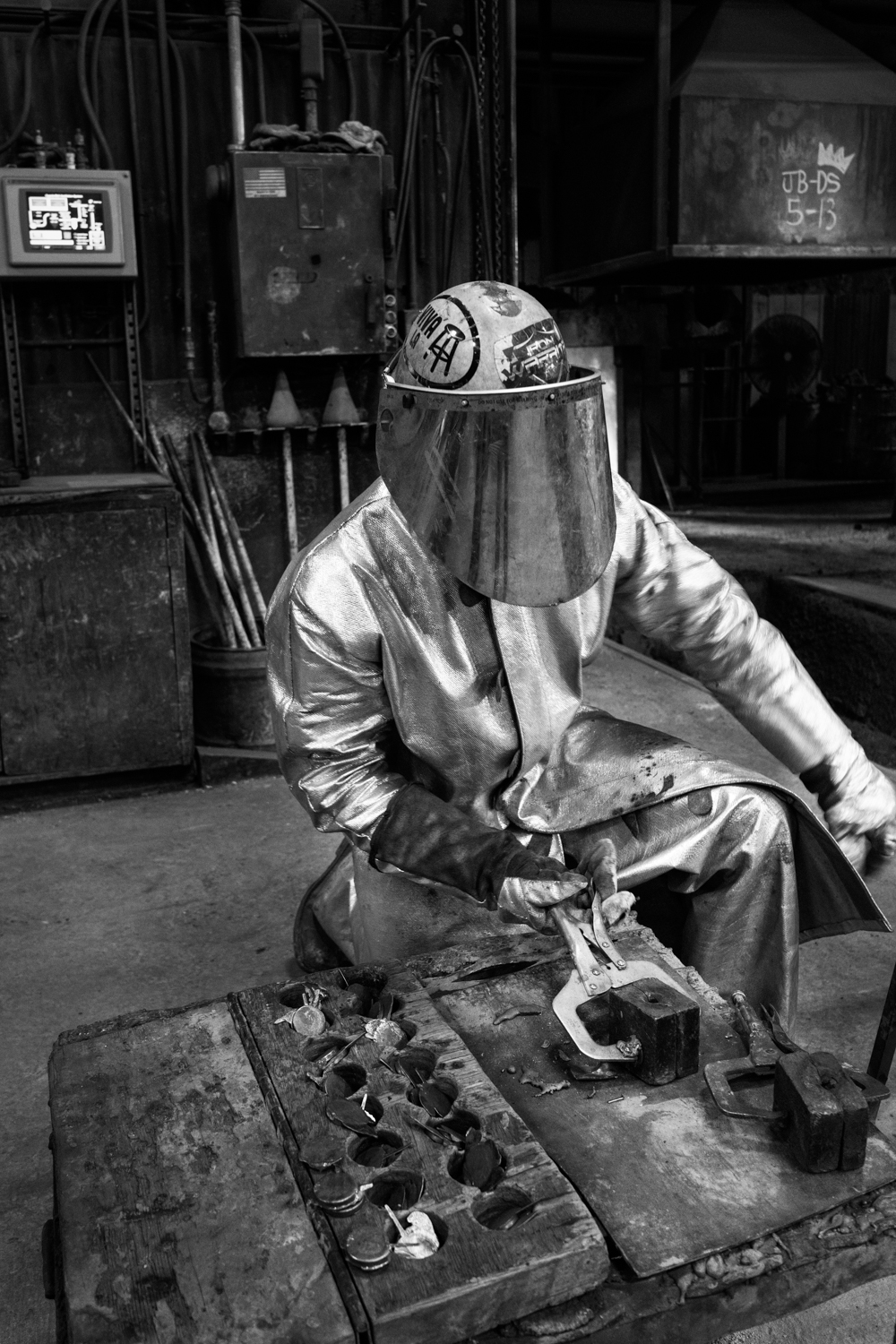
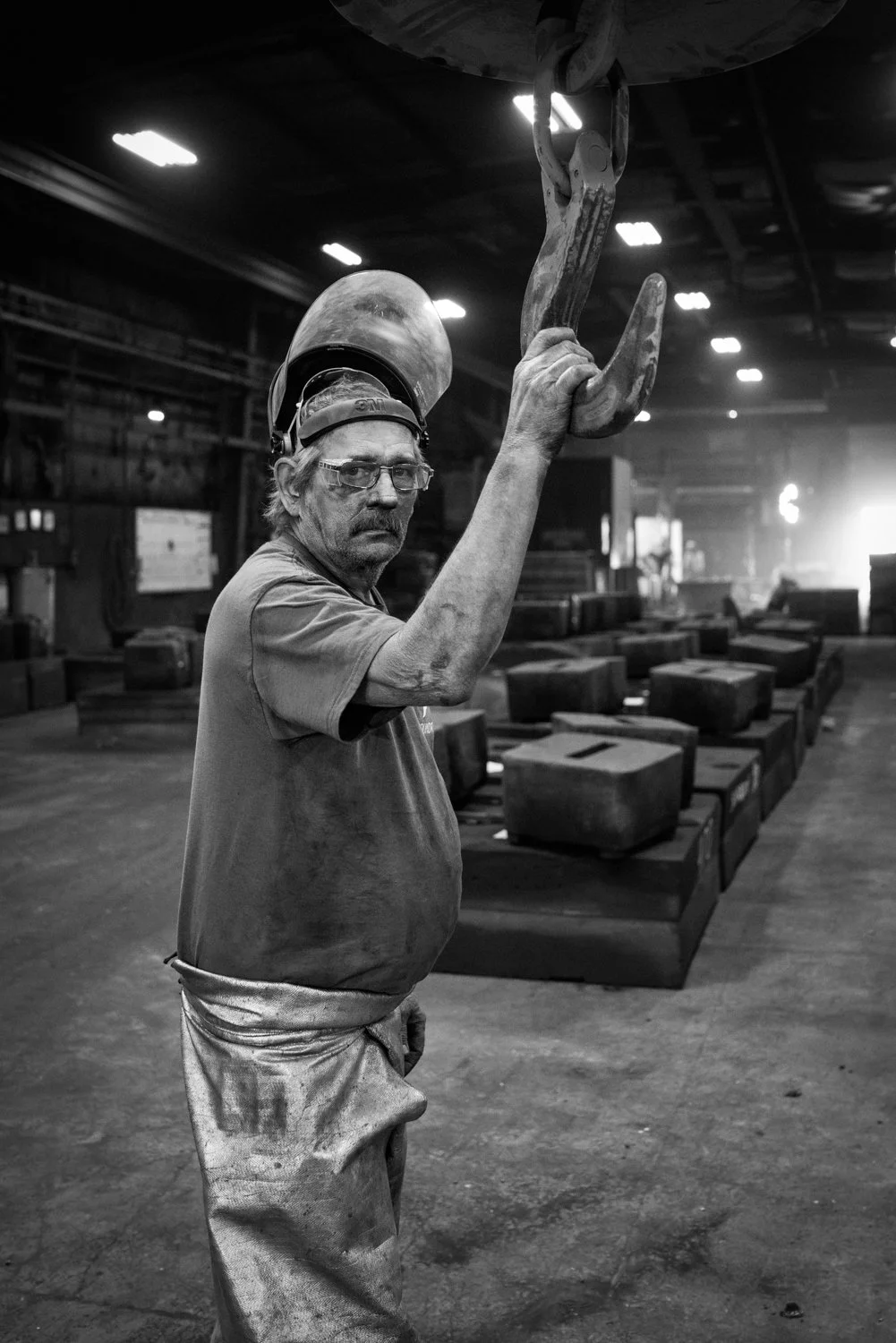
He had been driving through North Dakota when he passed an old blacksmith stand — a tourist display, nobody working. He started thinking: if not blacksmiths, then foundries. He found one in South Dakota. He called the number. The manager called back within five minutes. The next morning Richard drove two hours south.
The foundry turned out to be one of only two remaining hand-poured foundries in the entire country. He spent nearly five hours there. The work looked like something from another era — men pouring molten metal by hand in a space that looked like the set of an old Batman film. He photographed and talked and stayed until it was done.
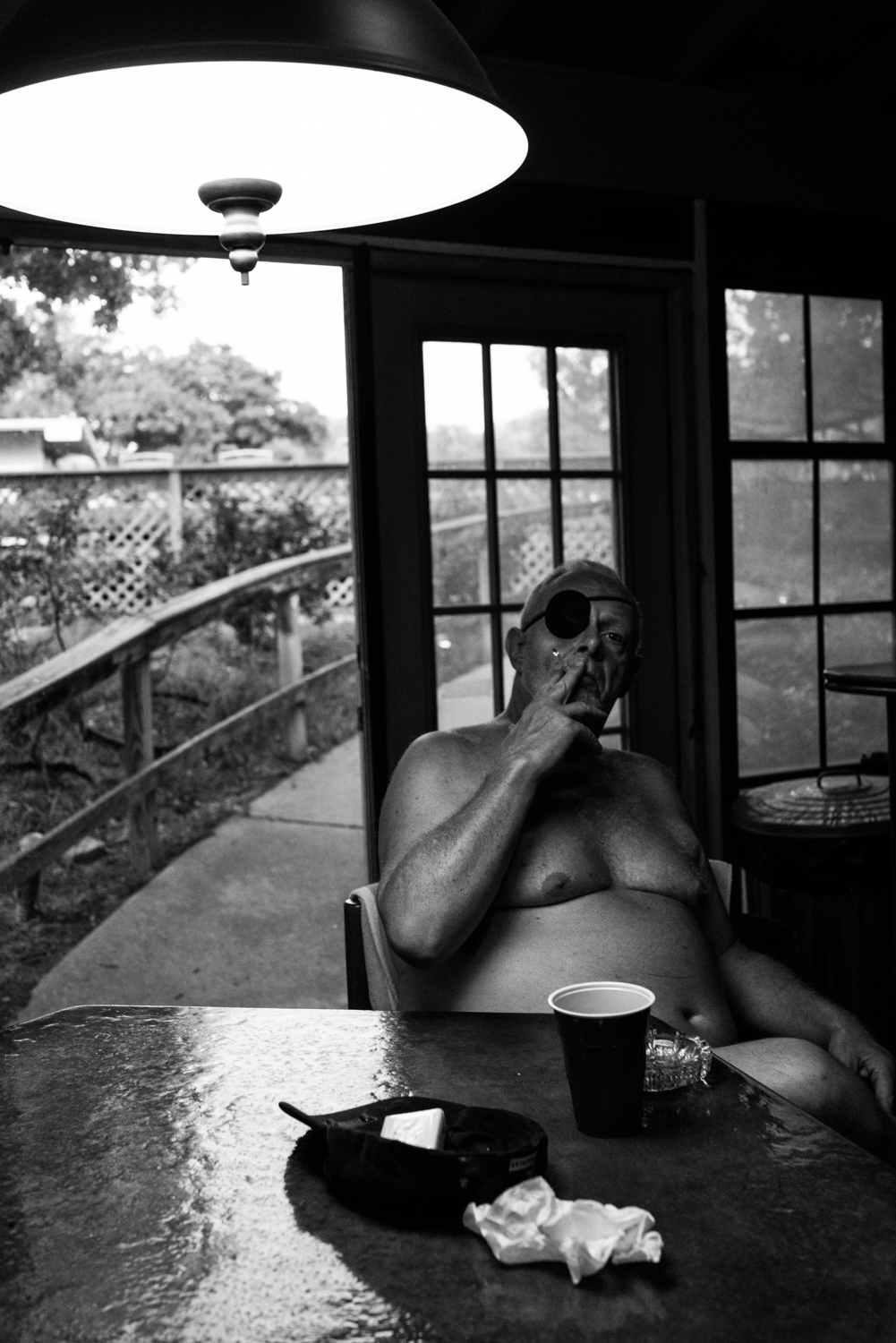
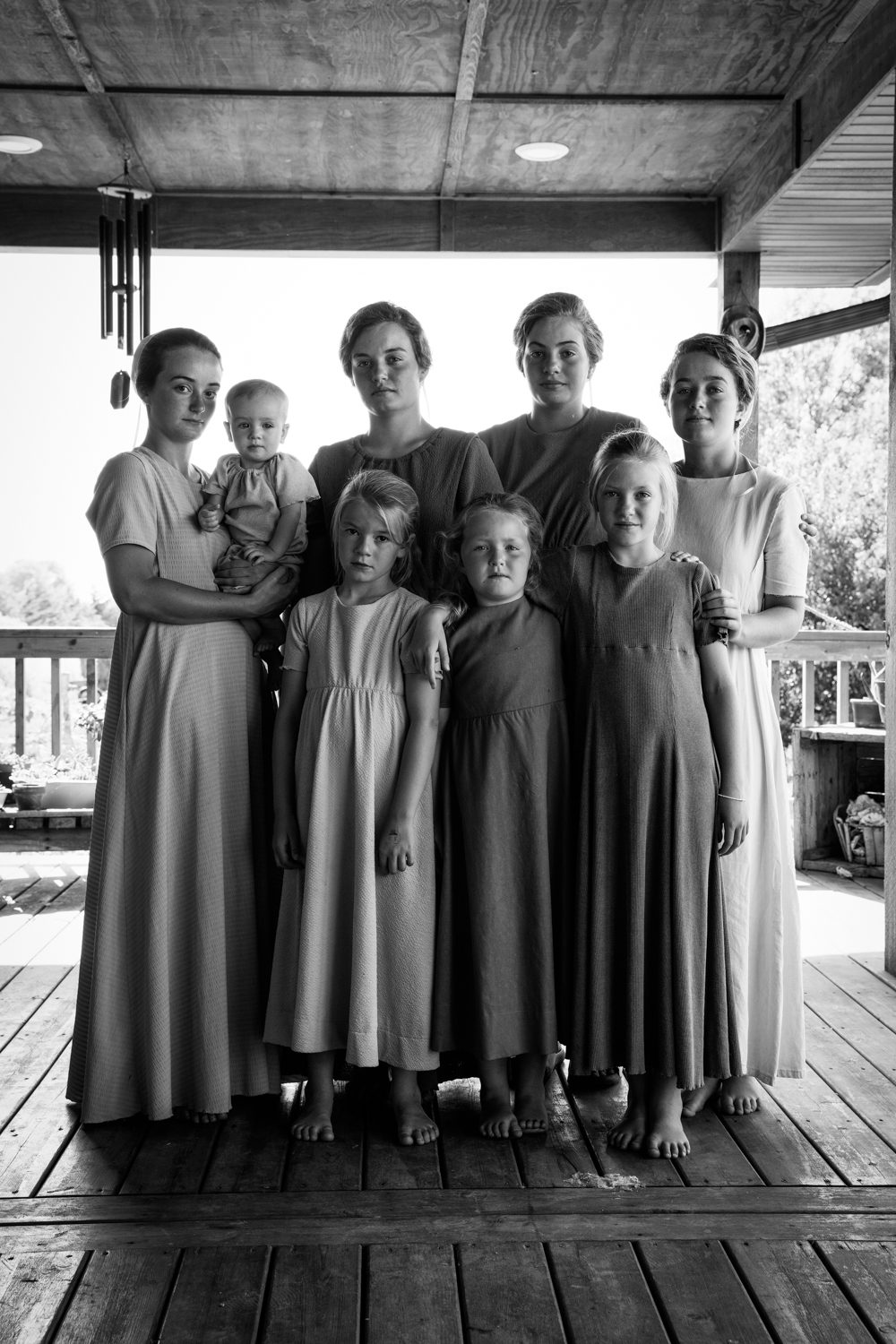
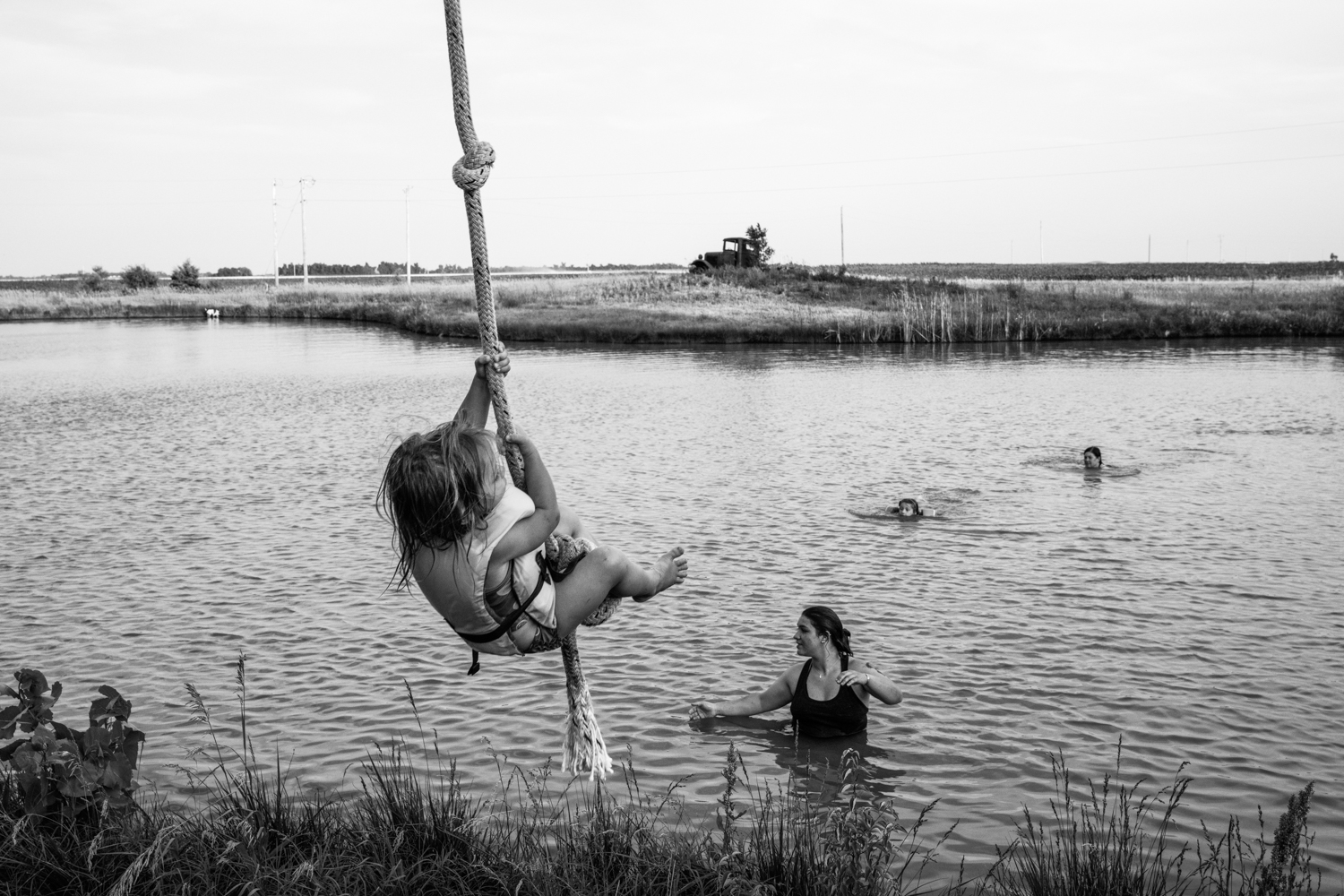
In Kansas he stayed with a farming family for about a week. He went swimming with them. He sat at their table. He photographed them, but not every moment — he was living there, not only documenting it. Before he left they mentioned a café a few towns over, run by Mennonites. They didn't know them personally. Just knew they were there. He went.
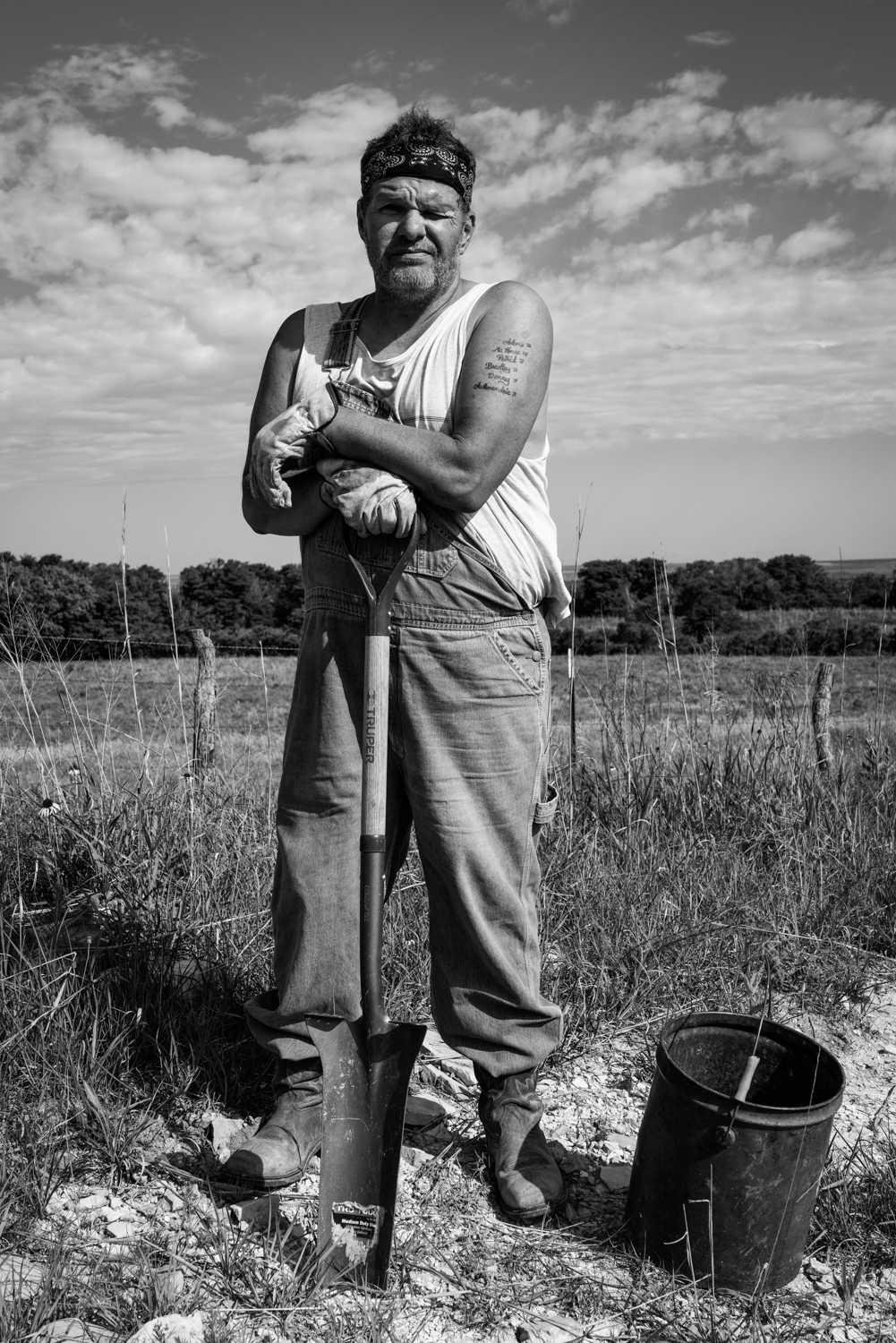
Somewhere in the middle of Kansas, on a road where there was nothing and nobody for miles, a man was digging on the shoulder. Richard pulled over. The man had all his children's names tattooed on his arm. He was pulling a plant from the ground — a natural painkiller, he said — cutting the root carefully and placing it in the bucket beside him. He had his own remedies. His own system. He seemed unsurprised to be photographed. That, too, was part of who he was.
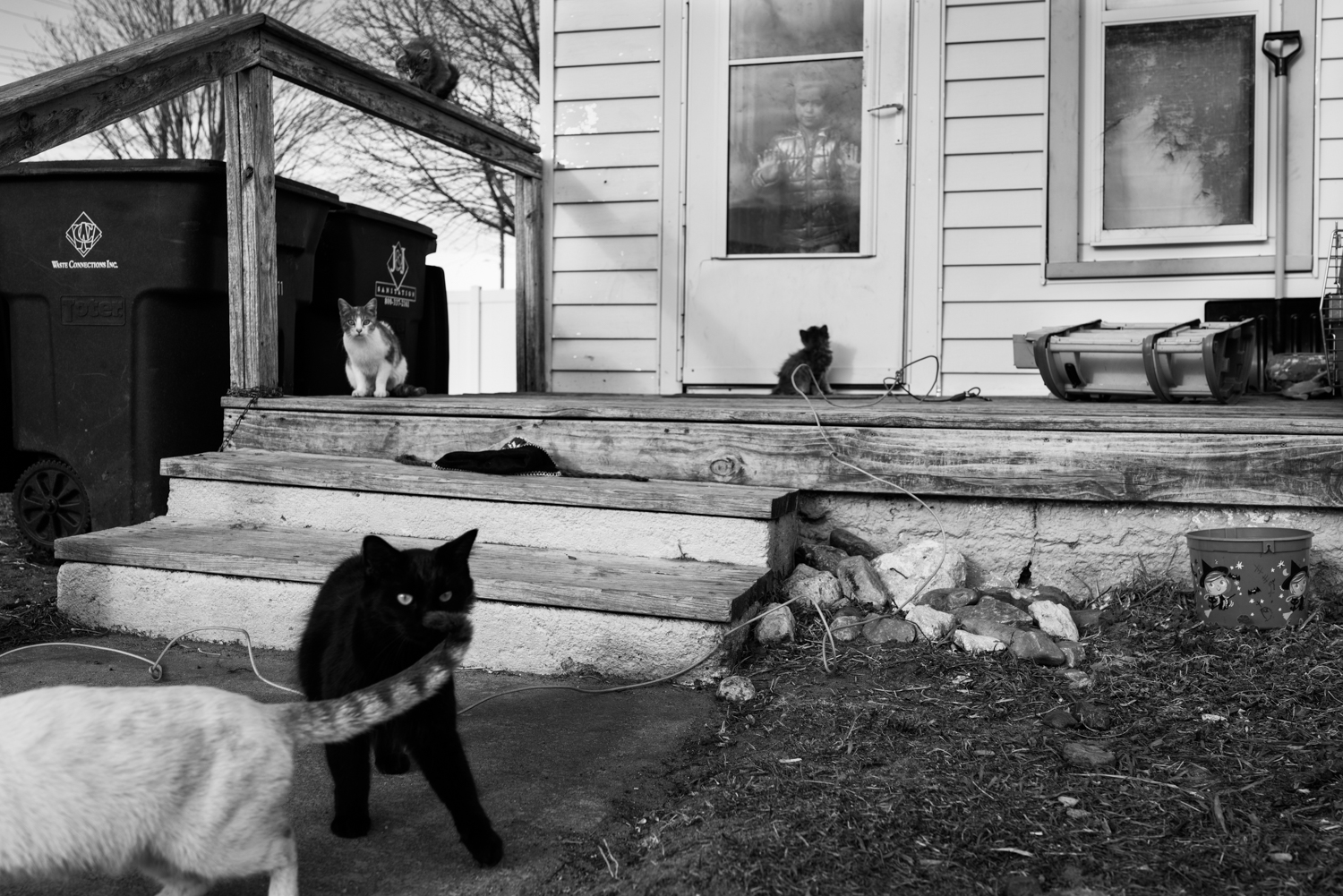
In Nebraska, one encounter opened into the next. A cattle auction led to a man, who led to a judge, who led to a sheriff, who led to a deputy. Nine days before Christmas, he went with them on a drug raid.
They didn't find much. What they found instead was a man with a young family being searched room by room, a wife with a new baby, and a cat asleep on a stack of logs in the corner — completely indifferent to all of it.
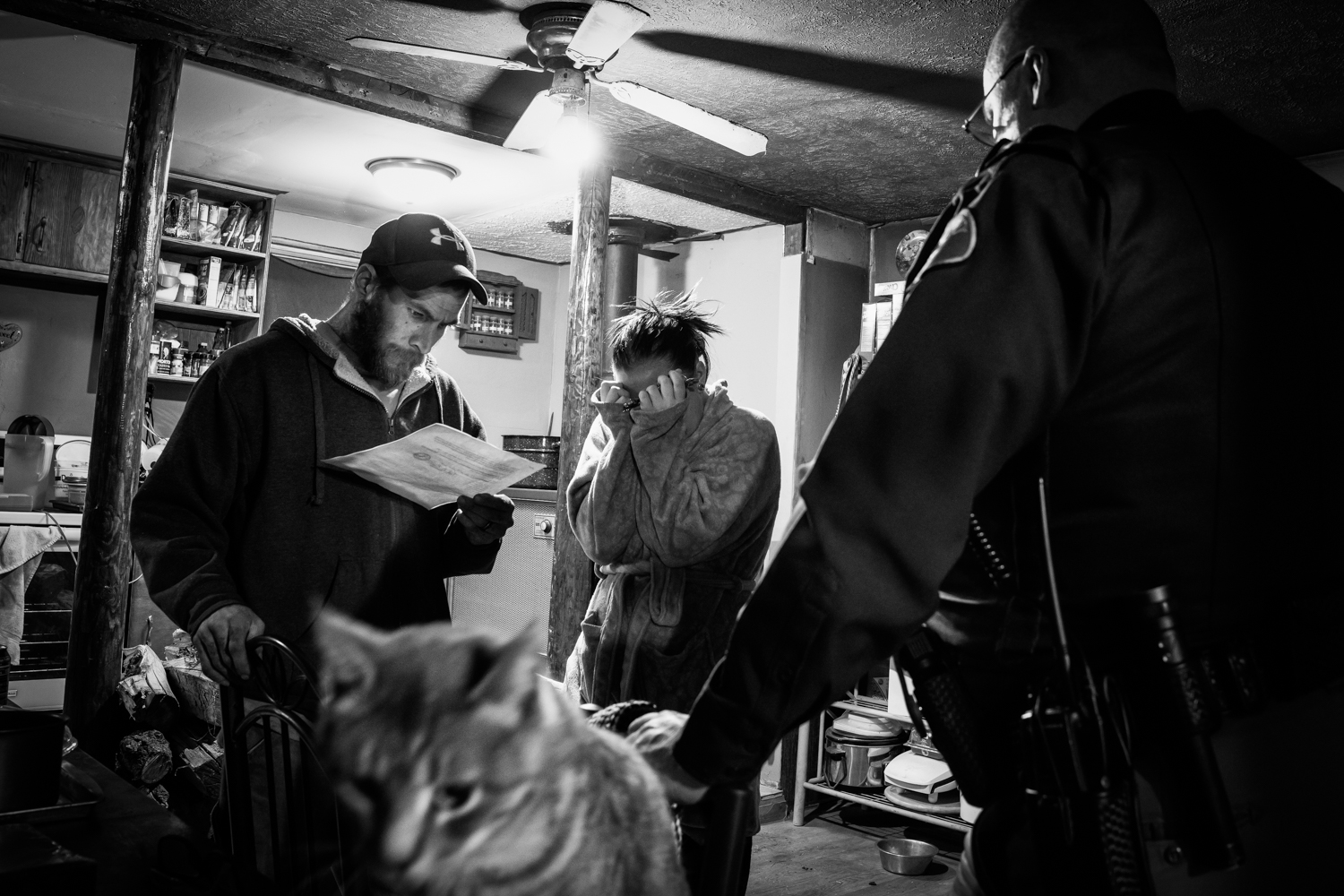
He stayed with the deputies until morning. Not because there was anything dramatic to photograph, but because he had said he would. He had told them he was going to experience it with them — not leave after a couple of hours and go back to his room. So he stayed through the blizzard, through the search for a missing elderly person who was found later, through the long emptiness of a rural night.
Late in the evening, they stopped at a Dairy Queen for dinner. The staff was closing. A girl with a Santa hat was sweeping the floor. He explained what he was doing and asked if he could take her portrait. She said yes.
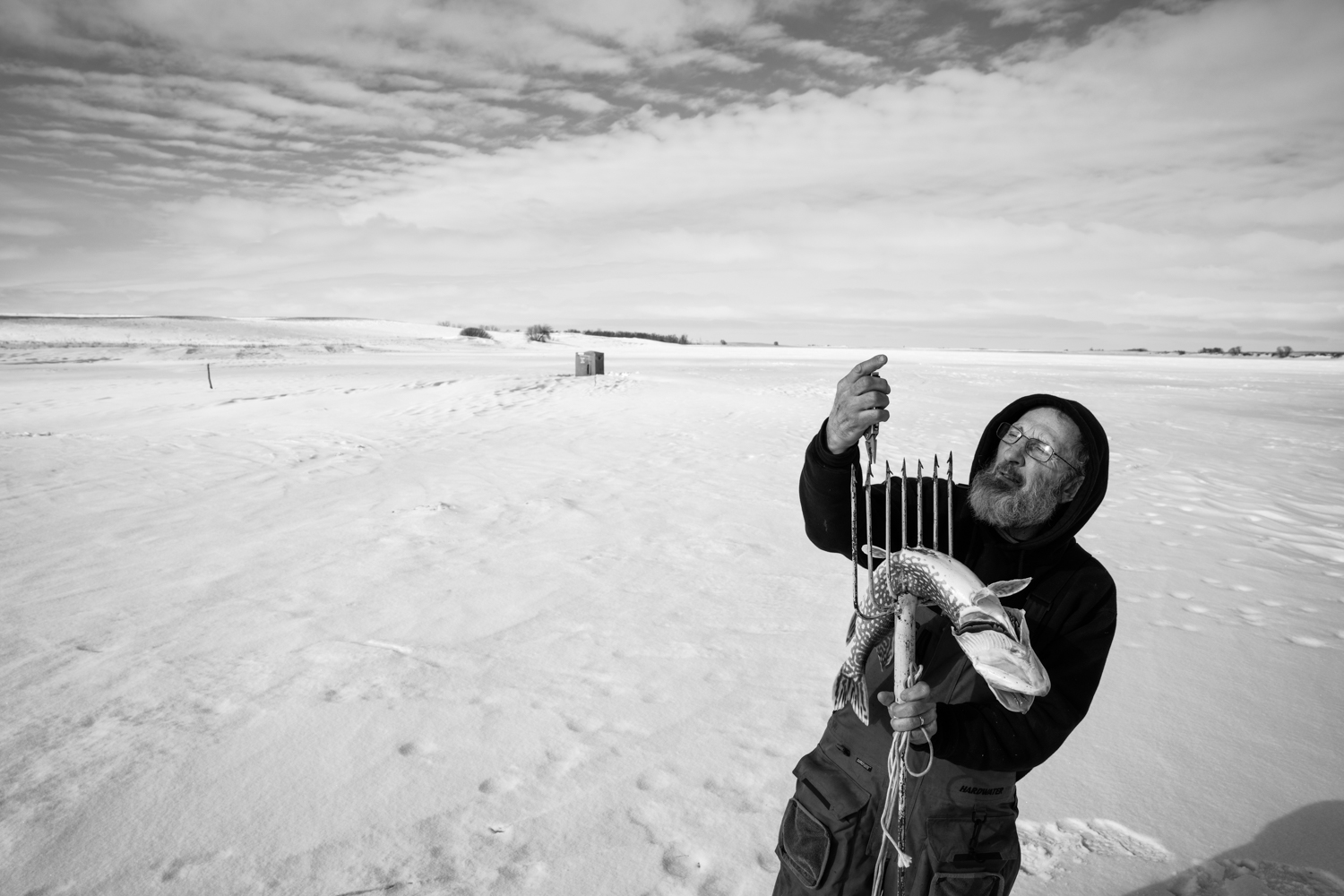
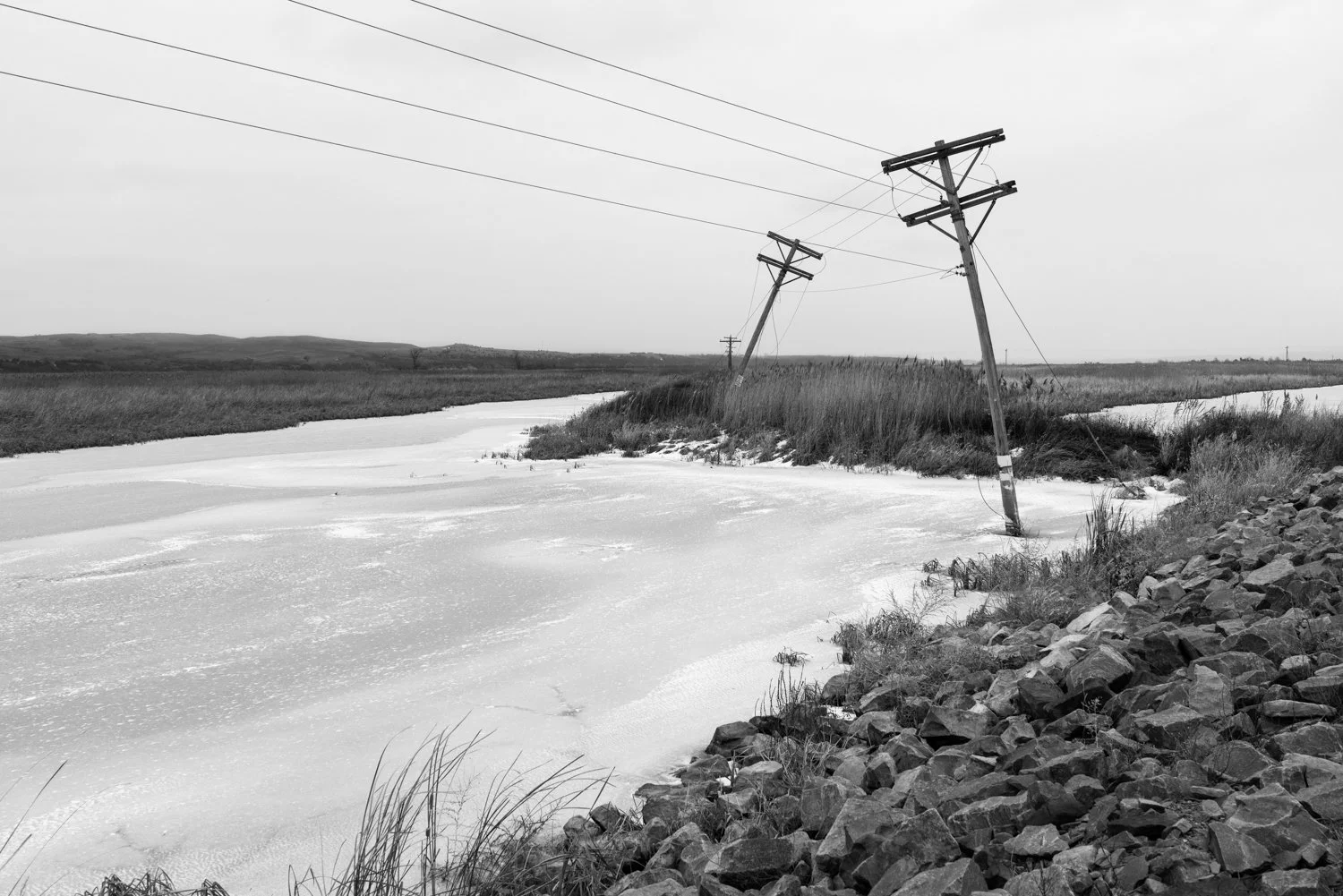
He rented a house in North Dakota with no particular plan. He mentioned to the woman he was renting from that he was interested in ice fishing. She called her brother that evening. The brother said: let's go tomorrow. They lent him insulated overalls and boots. He spent the day out there on the ice. At the end of the afternoon the man gave him a fish and told him to go home and fry it. That night Richard cooked it alone in the rented kitchen.
This is what he means by living his life while he's photographing.
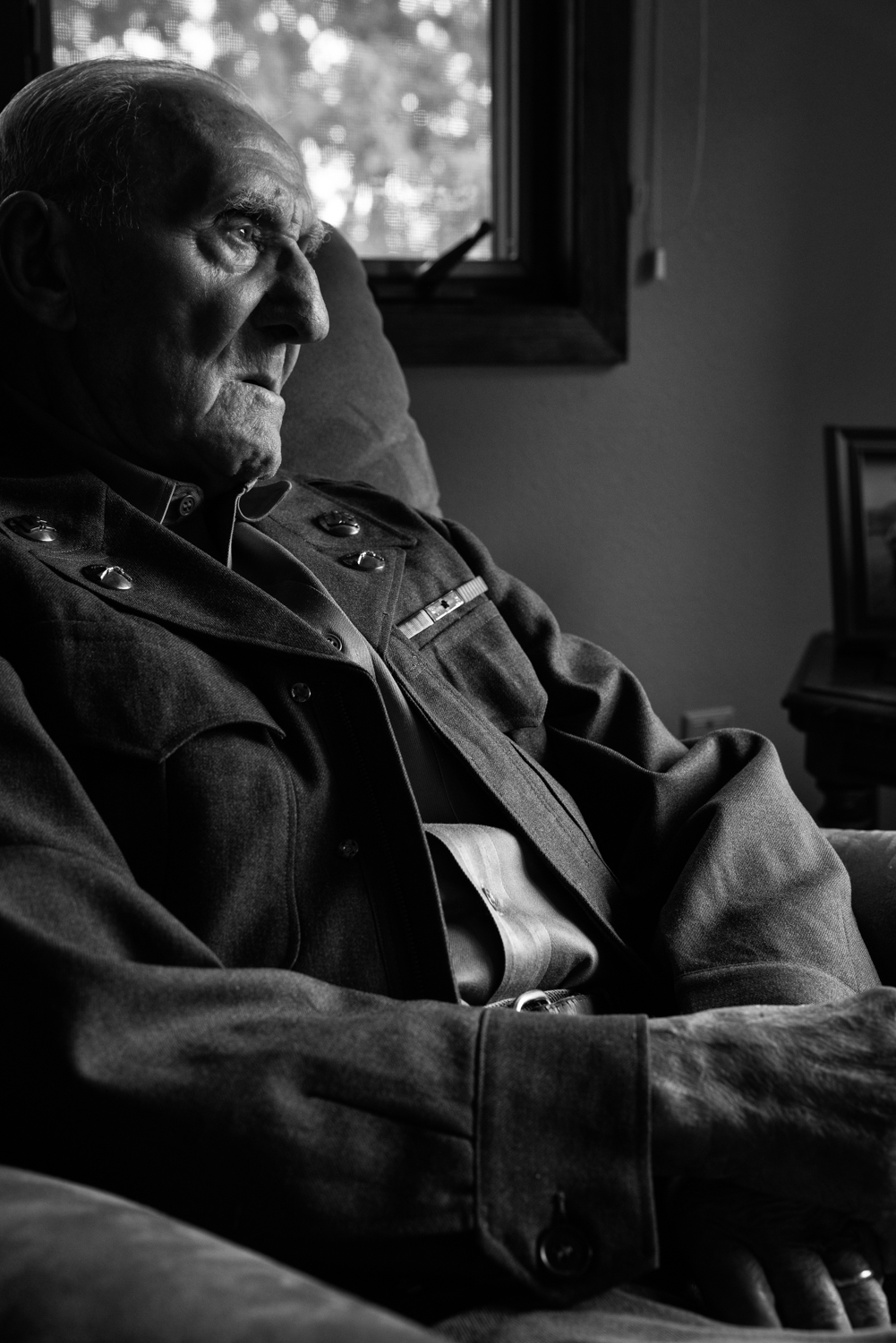
He had photographed a Korean War veteran once before — in the man's home, in his original uniform, the one he had not worn since the war. The portrait didn't make the book.
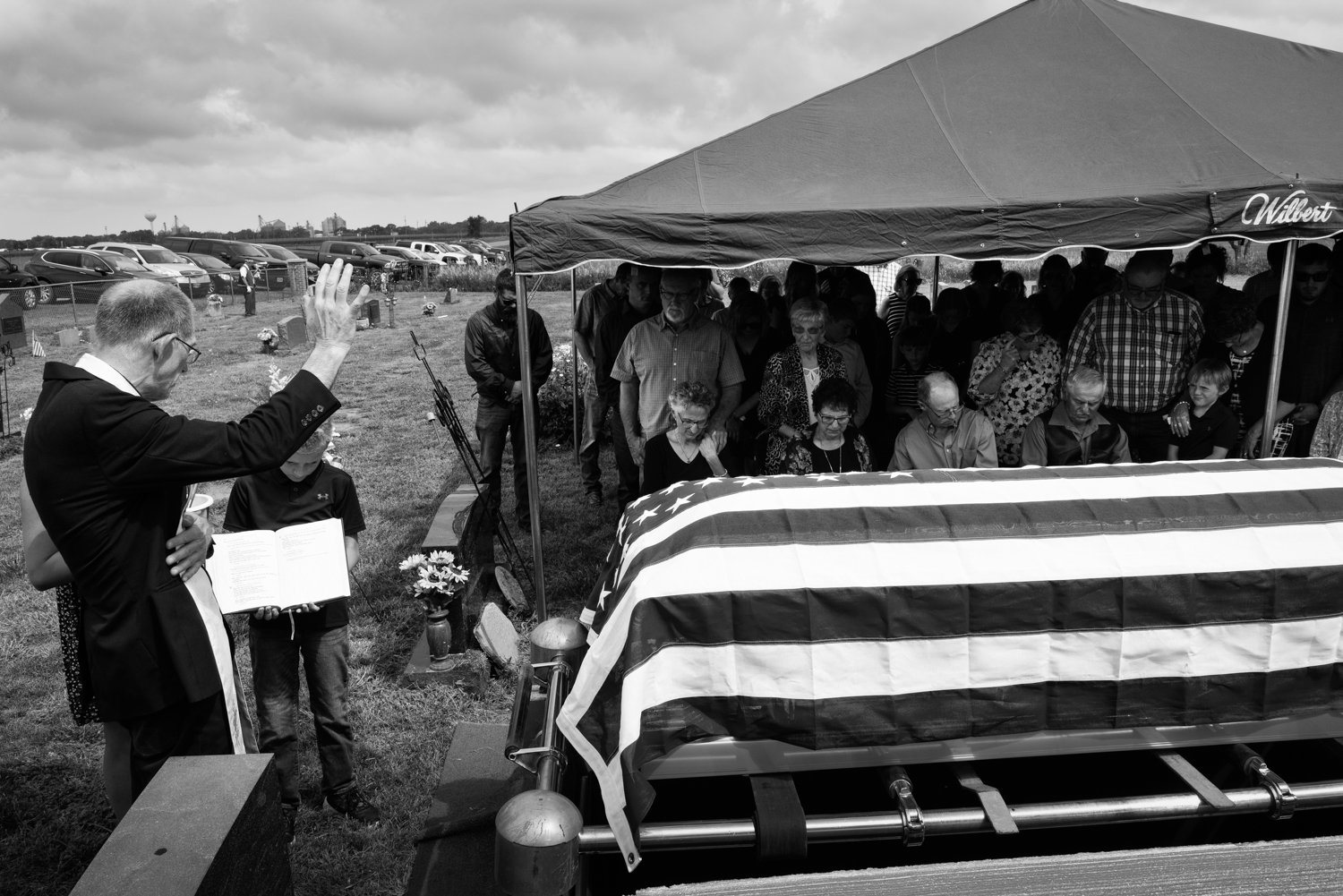
When the man died, Richard came back.
He photographed the casket draped with the flag. He photographed the great-grandchildren saying goodbye. He photographed the shell casings still rising in the air during the rifle salute. He was the last person to say farewell before the burial.
He had driven thousands of miles for this project, stayed in strange rooms, eaten alone, talked to strangers. But this is what the project finally amounts to: a man photographed in his uniform, then in his casket. A life held long enough to see it end. That is not documentation. That is witness.
He wrote a poem during the journey.
Spina Americana
Time, in its inevitable march, closes the day.
Hundreds of miles
And hundreds of faces
Have taught me
To cherish the sun,
Even as he gives ground
To Nepthys.
Out of respect for light
And the land,
It is rare that I work at night
Until the moon
Is bold enough
To cast shadows,
Pouring from my feet.
The land rotates,
Resets,
And the day is swept clean.
The shops are closed
And the children are put to bed.
The saloon neon blinks silent
And the men scamper home.
Town to town
Pillow to strange pillow
The broken pieces I collect
And redistribute
For the people
Not encountered
Are only collisions, not yet realized.
And as I lay my head down
And turn out the light
I am still —
Eyes wide open
To think of all the things
That no one will ever know
I saw today.
Leave a reflection
What stayed with you after reading? We welcome thoughtful, respectful responses.
Write to us at: editor@betweenstill.com